wellness
West Hollywood's Yoga Scene: Find Your Perfect Practice Style
From sweaty Bikram sessions on Santa Monica Boulevard to restorative flows in a candlelit studio off Melrose, West Hollywood's yoga scene has never been more varied, or more confusing.
How we reported this
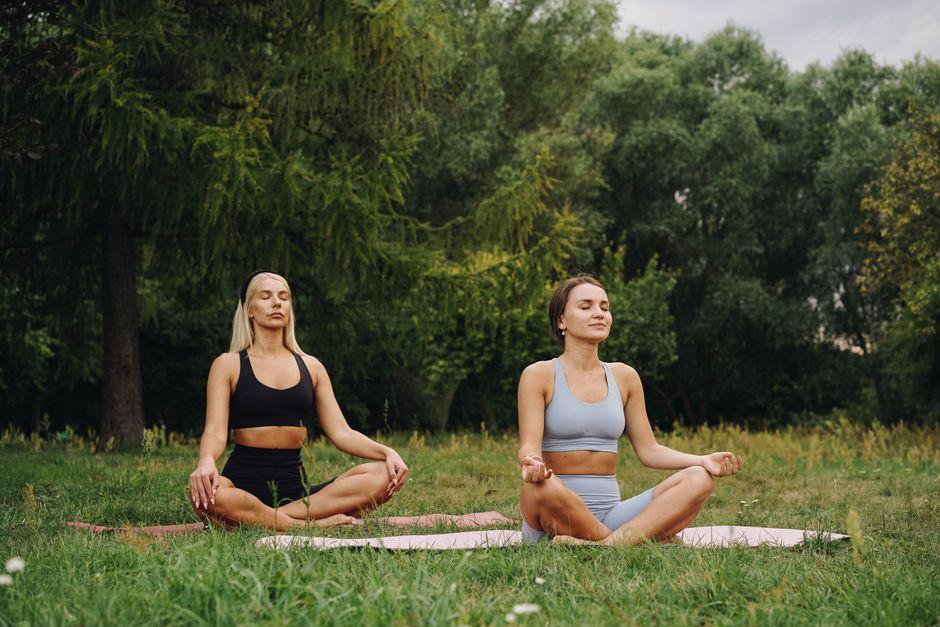
West Hollywood has more yoga studios per square mile than almost any other neighborhood in Los Angeles. Right now, in July 2026, a first-time student walking into that reality faces at least a dozen distinct styles on any given week, each with a different philosophy, physical demand, and price point. Knowing the difference could save you weeks of wrong-fit classes, and north of $200 in drop-in fees.
The renewed interest in mindfulness practices isn't accidental. Hormone conversations are everywhere, HRT, testosterone, cortisol management, and practitioners and wellness educators increasingly point to consistent yoga as one of the few lifestyle interventions with meaningful evidence behind stress-hormone regulation. The result is a fresh wave of people walking into studios who have never unrolled a mat in their lives. Studios on the Eastside of WeHo, clustered near the Santa Monica Boulevard and La Brea corridor, are reporting waitlists for beginner series classes through at least September.
The Main Styles, Decoded
Hatha is where most people should start. Classes move slowly, hold poses for several breaths, and emphasize alignment over athleticism. Ritual Yoga WeHo, on Santa Monica Boulevard near Flores Street, runs a Friday-morning Hatha fundamentals class at $22 for drop-ins, one of the more accessible price points in the neighborhood. If you work a desk job and carry tension in your neck and shoulders, this is your entry point.
Vinyasa is the style you'll see most advertised. Poses chain together in flowing sequences synchronized to breath, and a 60-minute class will leave you genuinely sweaty. The physical demand is moderate to high. Modo Yoga on Robertson Boulevard offers a heated Vinyasa format at 95 degrees Fahrenheit, a notch below the extreme heat of traditional Bikram. That distinction matters: Bikram follows a fixed 26-pose sequence in a 105-degree room, and it's not suitable for anyone managing cardiovascular conditions. Consult a physician before your first Bikram class.
Yin yoga sits at the opposite end of the spectrum. Poses are held on the floor for three to five minutes, targeting connective tissue rather than muscle. It looks passive; it isn't. The Melrose Yoga Collective, a smaller independent studio a block south of Melrose Avenue between Crescent Heights and Fairfax, runs a Sunday-evening Yin session that draws a crowd of people who work in entertainment and describe it as the only hour of the week their nervous system fully downshifts. Drop-in rate is $28.
Restorative yoga goes further still, props, bolsters, and blankets support the body completely, and the goal is parasympathetic activation rather than stretching. These classes are particularly relevant for anyone managing chronic stress or coming off a period of illness or overtraining. Several studios in the Plummer Park vicinity now bundle restorative sessions with a brief guided meditation as a single 75-minute offering, typically priced between $25 and $35.
What the Numbers Say
A 2024 survey by Yoga Alliance found that 38.4 million Americans practiced yoga at least once that year, up from 28 million in 2016. The same survey noted that practitioners in urban ZIP codes with household incomes above $75,000 were the most likely to try multiple styles within a 12-month period, a demographic profile that maps closely onto West Hollywood's 90046 and 90069 ZIP codes. Class prices across WeHo currently run from $18 for community-rate slots to $45 for specialty workshops. Monthly unlimited memberships average around $180, though several studios dropped that threshold to $149 during a post-pandemic membership push that has, at some locations, stuck.
The practical advice is straightforward. If you're sleeping poorly and feeling wired, start with Yin or Restorative. If you want a cardiovascular component alongside flexibility, Vinyasa is the sensible middle ground. If you're rebuilding movement patterns after a long sedentary stretch, Hatha gives you the vocabulary before you try anything faster. And regardless of which style you pick, one drop-in class tells you almost nothing, instructors vary enormously, and most studios allow a first class free or at a reduced rate of around $10. Use that offer. Come back twice before you decide it isn't for you. As always, anyone with existing health conditions should check with a local medical professional before beginning a new physical practice.