wellness
Free Mental Health Help Is Closer Than You Think: A Guide to Services in Koreatown
From walk-in crisis support to culturally competent counseling on Vermont Avenue, here's how to tap into no-cost mental health resources right in the neighborhood.
How we reported this
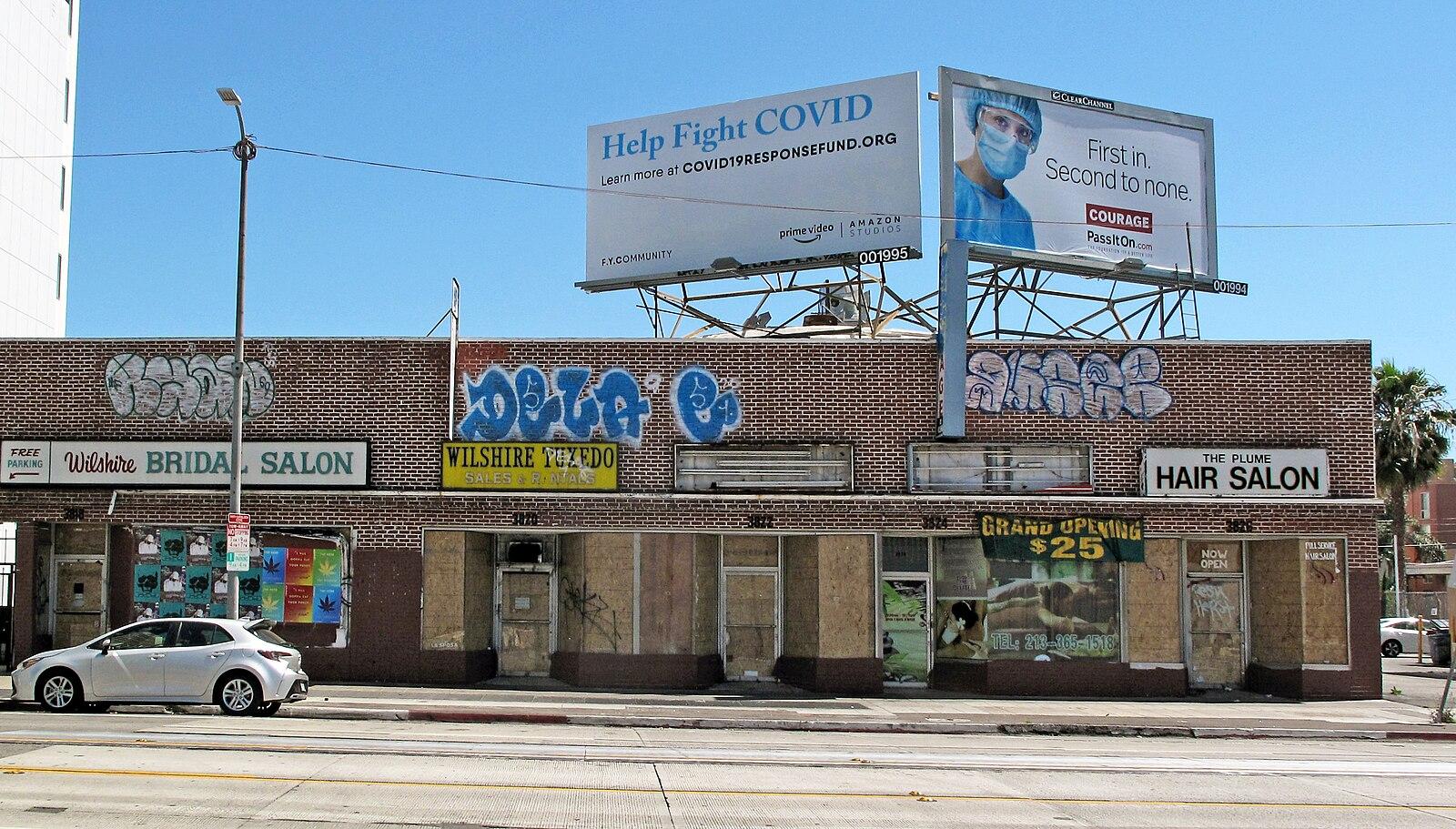
Los Angeles County operates more than a dozen free mental health access points within or immediately adjacent to Koreatown, yet community health workers say a significant portion of the neighborhood's residents have never walked through a single one of those doors. That gap is the problem advocates are pushing hard to close this summer.
Stress levels in the neighborhood have climbed measurably since early 2025. Housing costs along Wilshire Boulevard and 6th Street have remained stubbornly high even as the broader L.A. market has started to soften, and the dual pressure of high rents and economic uncertainty is showing up in the caseloads of local clinics. Community health workers at the Koreatown Youth and Community Center on 3rd Street report that requests for mental health referrals in the first quarter of 2026 ran roughly 30 percent above the same period last year.
Where to Walk In Right Now
The most accessible starting point for most Koreatown residents is the South Vermont Adult Mental Health Clinic, run directly by the Los Angeles County Department of Mental Health at 3333 South Vermont Avenue. Services there are offered on a sliding scale that drops to zero cost for uninsured patients, an important detail that often gets lost. The clinic offers individual therapy, psychiatric evaluation, and crisis stabilization, and does not require a referral to schedule a first appointment. Call 213-427-5400 to reach a live intake coordinator during business hours.
For Korean-speaking residents specifically, Korean Community Services, headquartered on Olympic Boulevard near Western Avenue, runs a behavioral health program that pairs clients with bilingual counselors. The program, partially funded through a Los Angeles County Department of Mental Health contract renewed in January 2026, offers up to 12 free individual sessions for qualifying low-income adults. KCS staff also conduct biweekly mental health workshops at the Koreatown Public Library branch on 6th Street, the next session is scheduled for July 15.
The Koreatown Youth and Community Center on 3rd Street is another anchor. Beyond youth programming, KYCC's adult services arm connects residents to the Didi Hirsch Mental Health Services crisis line, reachable at 800-854-7771, 24 hours a day, and runs on-site brief counseling appointments that do not require insurance or documentation of immigration status. That last point matters in a neighborhood where a substantial share of residents live in mixed-status households and may hesitate to engage with institutional services.
What the Data Says About Stress and Who Gets Help
A 2024 report from the UCLA Center for Health Policy Research found that just 38 percent of Korean American adults in Los Angeles County who screened positive for moderate-to-severe anxiety or depression had received any form of mental health treatment in the prior 12 months, compared to 57 percent for white adults in the same income brackets. The stigma gap is real, but access gaps compound it, a person who cannot afford a $200 therapy session and doesn't know a free alternative exists is not making a choice, they're facing a wall.
On the digital side, the LA County Department of Mental Health launched its My Mental Health LA portal in March 2026 at mentalhealthla.org, which allows residents to search for services by ZIP code, language, and insurance status. Entering 90005 or 90006, the two ZIP codes that anchor most of Koreatown, returns more than 20 active provider listings, including several with same-week availability as of this week.
The practical advice is straightforward. Start with a phone call, either to South Vermont Adult Mental Health Clinic at 213-427-5400 or to Korean Community Services at 213-365-7400, before assuming there's nothing available or affordable. If a crisis is happening right now, Didi Hirsch's 800-854-7771 line has Korean-language support available around the clock. The Koreatown Public Library on 6th Street also keeps a printed resource guide at the circulation desk, updated quarterly, listing every free and low-cost mental health program currently accepting new clients in the neighborhood. Pick one up. Bring one home for a neighbor. The infrastructure exists. Using it is the first move.