Politics
West Hollywood Short-Term Rental Ballot Measure: Limits Compared to Rules in Los Angeles and Beverly Hills
West Hollywood voters will decide in November on a measure that would restrict short-term rentals to 90 days annually, a change that would affect local hosts and visitors in the same way similar caps already operate in parts of Los Angeles County.
How we reported this
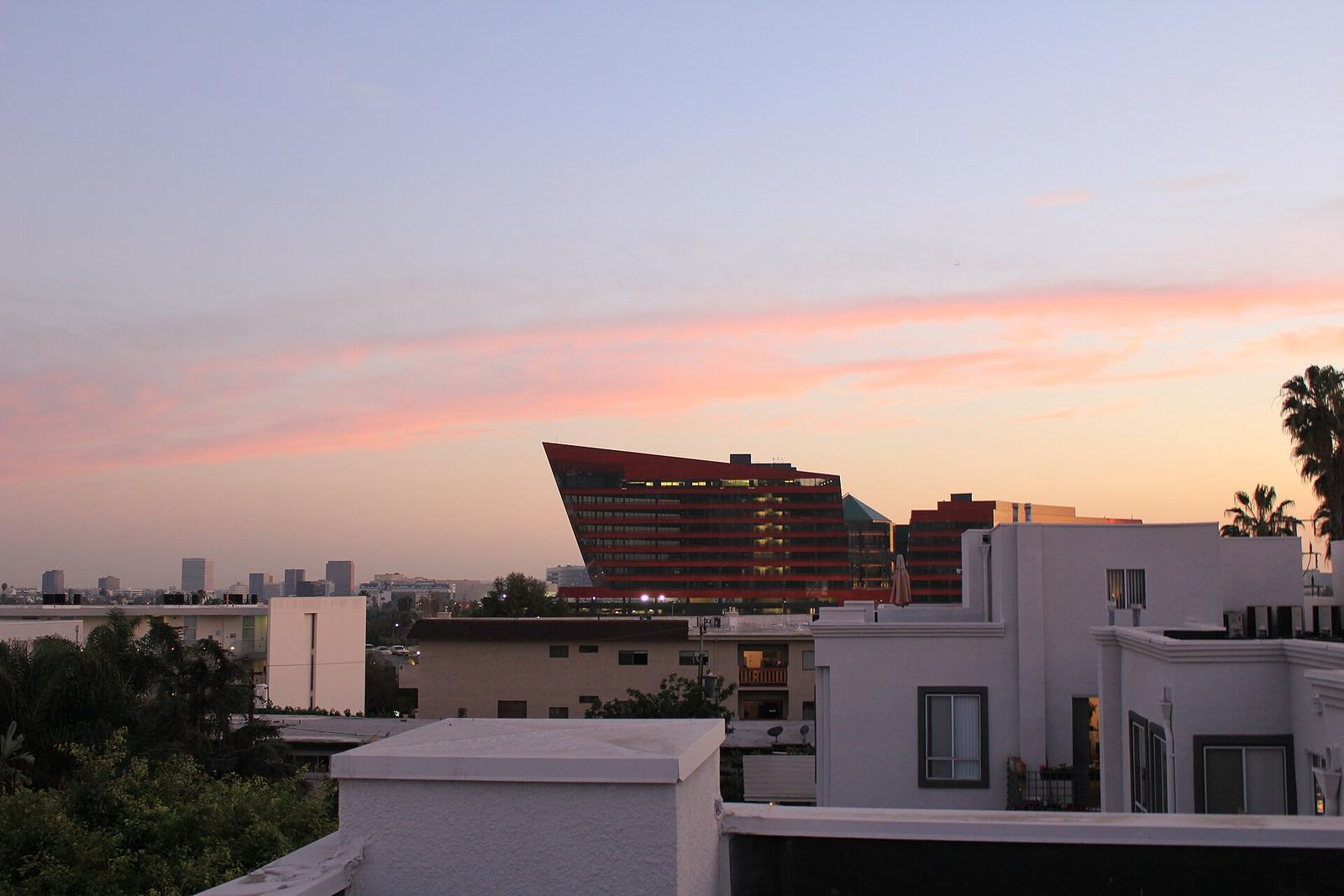
The November ballot measure would impose a 90-day annual limit on short-term rentals in West Hollywood, applying to properties listed on platforms such as Airbnb and affecting an estimated 1,200 residential units currently registered with the city.
City records show the number of active short-term rental permits rose from 850 in 2023 to 1,150 by the end of 2025, driven by demand from tourists attending events at the Pacific Design Center and nearby nightlife venues. The measure arrives as the city prepares its 2027 budget, which projects $3.1 million in transient occupancy tax revenue from these rentals under current rules.
Local Effects for Residents and Property Owners
Residents who rent out rooms or entire homes for extra income would face new restrictions on how often they can host guests, while full-time landlords would need to shift units back to long-term leases. A homeowner on Fountain Avenue who currently lists a guest house for 180 days a year would lose roughly half that revenue, according to calculations based on average nightly rates reported in city permit filings. Visitors staying near Santa Monica Boulevard for short trips might find fewer options, pushing some toward hotels that pay higher occupancy taxes.
Policy analysts note the proposal mirrors provisions already in place in Los Angeles, where a 2024 ordinance limits short-term rentals to 120 days in most residential zones, and in Beverly Hills, which enforces a stricter 30-day cap on non-primary residences. West Hollywood's version would sit between those two thresholds, requiring hosts to maintain primary residency and register annually with the city's planning department.
City budget documents from fiscal year 2025-2026 list $2.8 million collected in transient occupancy taxes from short-term rentals, money used for street maintenance along Melrose Avenue and public safety staffing at the sheriff's substation. If the measure passes, the finance department projects a drop of $800,000 in that revenue line by 2028, offset in part by expected growth in long-term rental property taxes.
The city clerk's office will mail voter information guides by early October that include the full text of the measure, a summary of enforcement procedures, and a side-by-side chart comparing West Hollywood's proposed rules with those in Los Angeles and Beverly Hills. Ballots will be mailed to all registered voters on October 15, with in-person voting available at the West Hollywood City Hall starting October 28.