Politics
West Hollywood Candidates Tout Competing Visions for Jobs, Services and Infrastructure
As West Hollywood’s municipal election season intensifies, local residents are weighing candidates’ proposals to fund city services, transportation improvements and job creation programs.
How we reported this
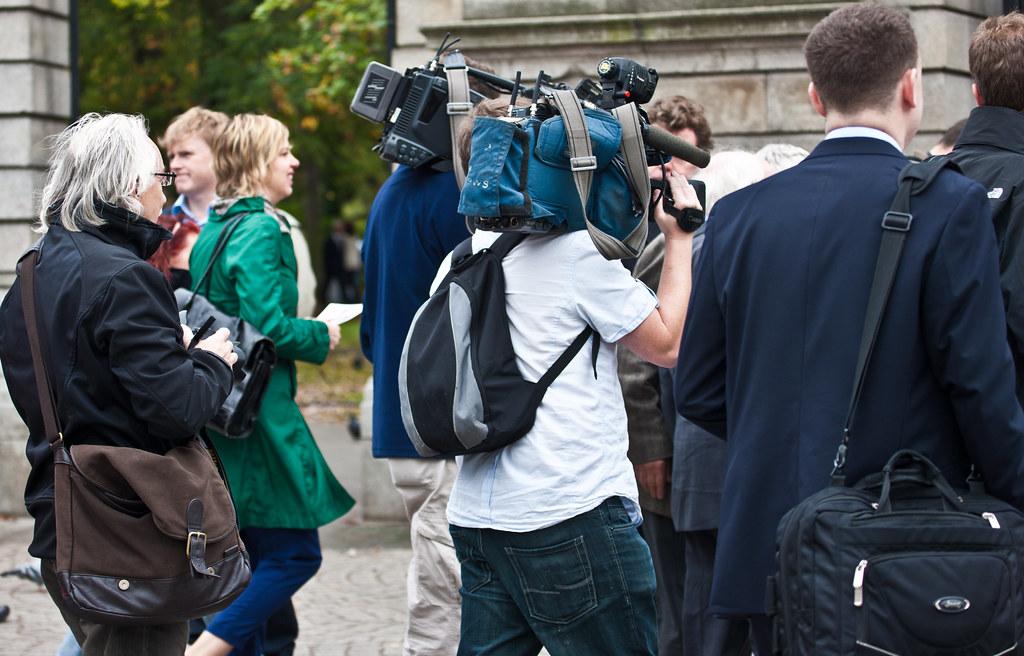
Ballots set to go out in just over a month will present West Hollywood voters with a crowded field of candidates promising action on the city’s top concerns: employment, public services and urban infrastructure. The July election includes council seats and the office of mayor, with leading contenders rolling out plans on everything from street repairs to small business support.
Addressing Critical Services and Economic Recovery
The timing is notable. Census data shows unemployment in West Hollywood edged up to 6.1% in May, outpacing Los Angeles County’s overall 5.5%. Meanwhile, city budget documents released last week cite continued pressure on commercial rents along Santa Monica Boulevard and ongoing strain on the social services network. Policy analysts say these factors have prompted candidates to emphasize local hiring, police responsiveness and the repair of aging public spaces as they seek to distinguish themselves in a competitive race.
Residents describe day-to-day frustrations with slow pothole repairs, crowded bus routes and long waits for social support appointments. In this environment, several leading candidates are proposing a dedicated infrastructure renewal fund to upgrade intersections along Fountain Avenue and expand the frequency of the free city shuttle service. Others highlight proposals to boost grants to local nonprofits that manage mental health outreach, arguing that streamlined funding could reduce waiting lists for critical care.
Budgets, Programs and Impact
According to the city’s 2026 Draft Capital Improvement Budget, $14.2 million is allocated for transportation upgrades citywide, including ADA accessibility improvements and traffic light synchronization along Crescent Heights Boulevard. Several council hopefuls have pledged to accelerate these projects, citing feedback from the June West Hollywood Community Survey, where 42% of respondents listed walkability and traffic management as their chief infrastructure concerns. Other candidates point to the planned expansion of the micro-business startup grant program, which the City Finance Office reports supported over 110 West Hollywood entrepreneurs in the past year. The current draft budget sets aside $2.3 million for job training and business incubator support for the 2026-2027 fiscal year.
Policy documents reviewed show at least three competing spending models for public safety and social services, ranging from a modest 2% increase under the existing service-based budget, to a more ambitious plan reallocating up to 10% from administrative overhead to direct program delivery. The government says these moves are projected to shrink service waitlists and allow infrastructure maintenance crews greater flexibility to respond to resident-reported issues within 48 hours.
The coming weeks will see two televised candidate forums, with a focus on cost-of-living questions for renters and commitments on neighborhood beautification projects. Officials at the City Clerk’s Office confirm that absentee ballot applications have surged by 18% since 2024. Early voting is set to open at West Hollywood Park on August 5. Local advocates note that the outcome will directly affect which priorities are pushed through in the 2027 city budget, shaping the speed and scale of job creation, transportation upgrades and social service expansion across the city.