Politics
California SB 310 Coastal Resilience Funding Bill Sets Long Beach Allocation Against Other Port Cities
Long Beach residents could see adjusted city service budgets after the state begins comparing coastal municipalities on resilience project spending and timelines.
How we reported this
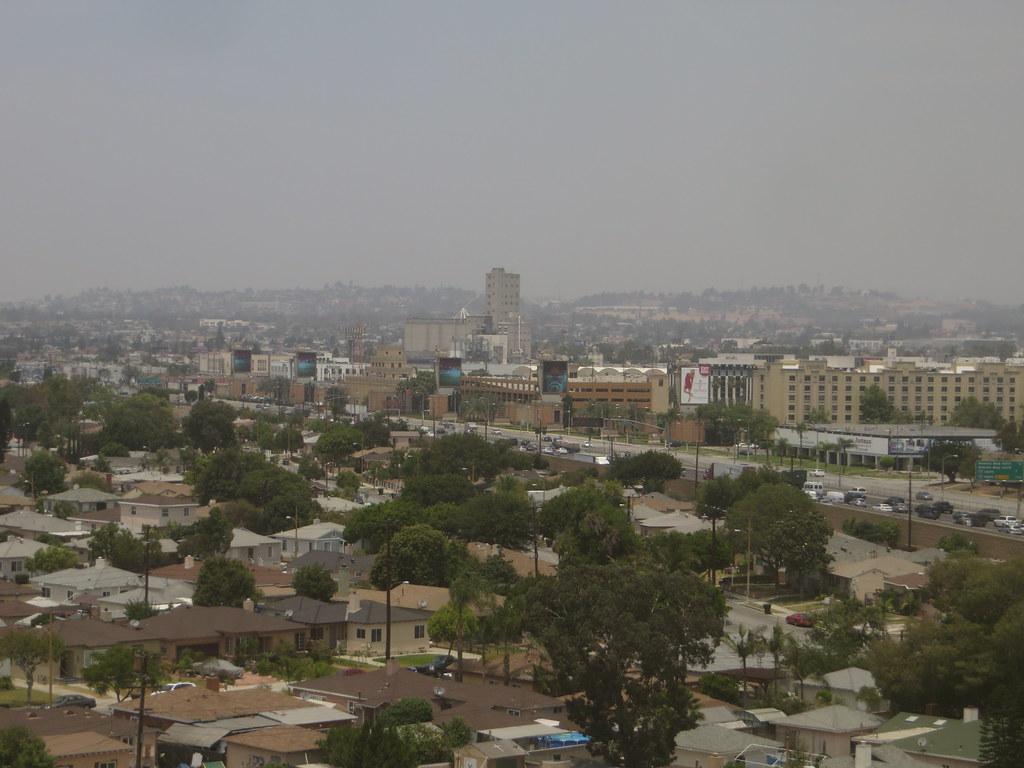
California Senate Bill 310 requires the state to track and publish annual comparisons of how cities spend allocated coastal resilience funds on infrastructure upgrades. The legislation affects 28 coastal municipalities and directs the Department of Finance to release side-by-side data on project completion rates and per-capita spending each January.
The bill was introduced after the 2025 state budget identified gaps in local reporting on sea-level rise mitigation. Lawmakers added the comparison requirement to the final text so that larger port cities and smaller beach communities would appear on the same public dashboard. Long Beach, with its harbor operations and 460,000 residents, falls into the group of cities required to submit quarterly expenditure reports starting October 2026.
Effects on city services and household costs
City budget documents show that Long Beach currently directs 14 percent of its general fund to harbor and flood-control maintenance. Under the new tracking system, those figures will be measured against San Diego and Oakland. If Long Beach reports slower permitting for pump-station upgrades than peer cities, state staff have authority to shift remaining 2027 funds to jurisdictions with faster documented progress. Residents who pay property taxes supporting these projects may notice changes in street-repair schedules or emergency-response staffing if funds move elsewhere.
Policy analysts at the Legislative Analyst's Office note that the bill text ties future discretionary grants to the published comparison tables. Long Beach officials have already begun updating their internal permitting logs to match the state format. Local advocates note that delays in one category, such as breakwater repairs, could affect the city's ranking and therefore its share of the $180 million set aside for 2027 coastal projects.
Timeline and required filings
The first public comparison report is scheduled for release on 15 January 2027. Cities must file their 2026 expenditure data by 1 December 2026. The Department of Finance will post the tables on its website and notify each city council of its relative position. Long Beach staff have indicated they will present the incoming data to the city council in a public meeting within 30 days of publication.
Subsequent budget cycles will use the published rankings when the legislature considers supplemental appropriations. No additional local taxes are authorized by the bill itself; any shifts in spending will come from the existing state allocation.