Politics
Culver City Gears Up for 2026 Local Elections as Residents Weigh Candidates' Policy Pledges
Voters in Culver City are evaluating council hopefuls' platforms on housing, public safety and climate policy, with experts and residents highlighting where candidates diverge on crucial issues.
How we reported this
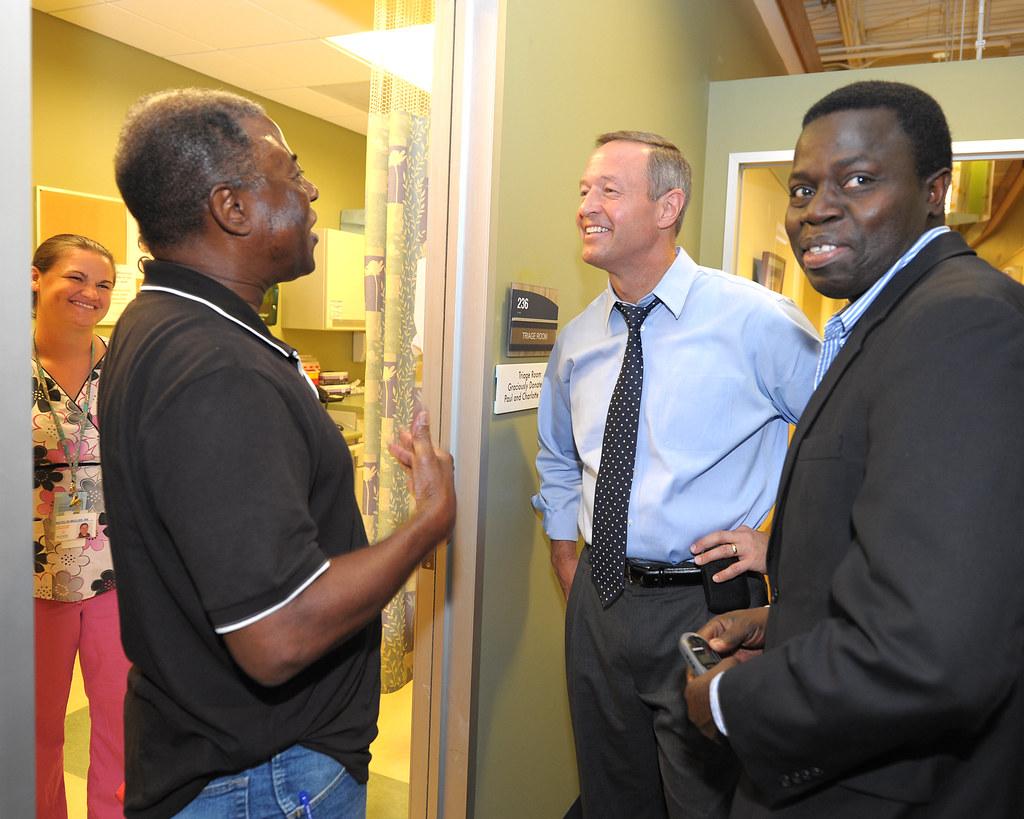
Culver City voters will see a crowded ballot this November, with seven candidates vying for three City Council seats and promising action on issues from affordable housing to policing. The lineup, published by the city clerk’s office on June 28, signals an engaged electorate and a campaign season expected to focus on concrete policies that directly affect local households.
Housing and Safety Loom Large
Pressure on Culver City’s rental market has intensified since the Regional Housing Needs Assessment (RHNA) figures for 2025-2030 were released by the Southern California Association of Governments. All candidates in this election have pledged measures to increase affordable housing, but strategies vary. Some propose revising zoning laws to allow more duplexes in R-1 neighborhoods, while others advocate for municipal bond initiatives to fund low-income housing projects. Local housing advocacy groups say expanded protections for tenants and streamlined permitting could significantly impact working families, who make up nearly 60% of Culver City renters, according to 2024 data from the U.S. Census Bureau.
Public safety remains another sharp divide. Several candidates call for restoring five positions to the Culver City Police Department, which saw reductions in the 2022 budget cycle. Community advocates and policy analysts note that residents in the Blair Hills and Downtown districts have expressed heightened concerns about property crime in recent city council listening sessions. Council budget documents show expenditures on policing dropped from $44.1 million in fiscal 2021/22 to $42.6 million in 2023/24. Experts say budget changes can shape response times and neighborhood patrols, both of which are central to the candidates’ differing proposals.
Climate Action and Community Costs
Climate and sustainability policies also draw distinctions in candidate platforms. Several contenders endorse full implementation of the city’s 2022 Sustainability Plan, including a transition to electric public transit by 2028 and new incentives for heat-resilient landscaping. According to the city’s most recent annual climate report, Culver City’s electricity-related emissions dropped by 14% since 2021, in part due to the Clean Power Alliance partnership. Residents’ bills are projected to decrease slightly with new solar feed-in tariffs set for review this September.
Policy observers say these pledges resonate with residents whose daily decisions are shaped by utility rates and transit access. A parent from the Linwood E. Howe Elementary PTA, interviewed last week, cited after-school bus reliability as a key issue. Business owners along Sepulveda Boulevard have also raised concerns about construction impacts from planned green infrastructure projects delayed in the 2025 public works budget.
Turnout in Culver City has historically exceeded the Los Angeles County average, reaching 74.3% in the 2024 general election according to county registrar statistics. Local civic groups expect robust participation again this year, pointing to the city’s upgraded vote-by-mail procedures and extended hours at the Culver City Julian Dixon Library vote center. Official sample ballots and full candidate statements will be mailed to households beginning August 10, the city clerk’s office confirms.
Final candidate debates, hosted by the League of Women Voters and the Culver City Chamber, are scheduled through September. Voters are encouraged to submit questions directly to moderators and attend in person or via streaming through the city’s website. Certified election results are expected to be posted within three weeks after polls close on November 5, according to the Los Angeles County Registrar-Recorder’s publicly released timeline.