news
Tracing Culver City's Infrastructure Trajectory: How We Got Here
A look back at the factors shaping Culver City's current and upcoming public works initiatives.
How we reported this
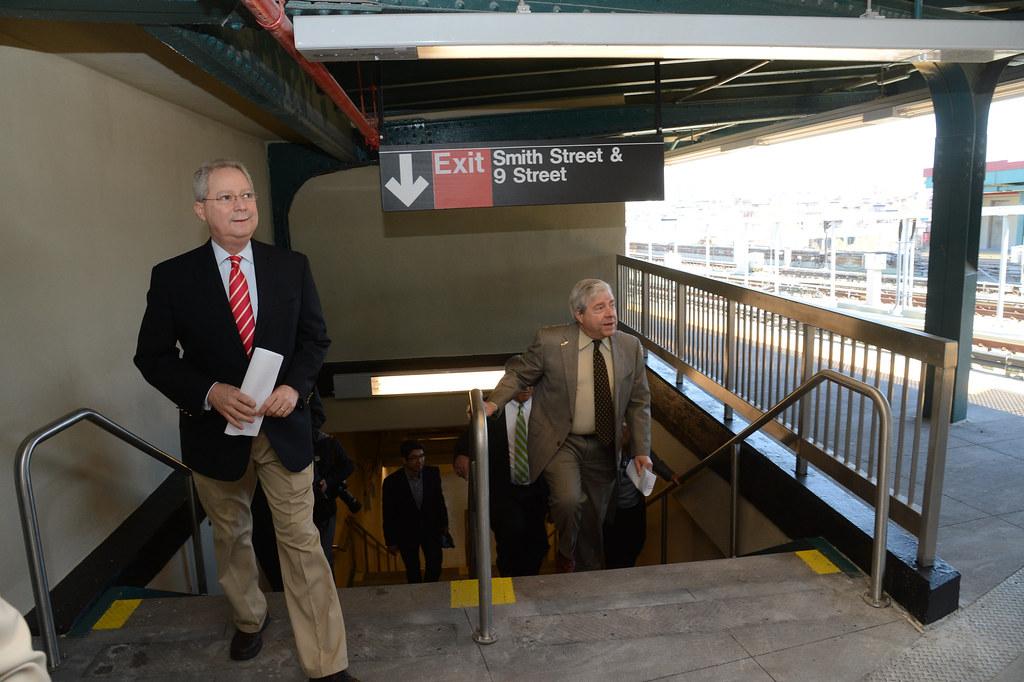
Culver City’s infrastructure projects have entered a pivotal phase, reflecting years of planning amid evolving urban demands. While no single announcement has defined the moment, the city's cumulative efforts in roads, transit, and public facilities reveal a trajectory shaped by past decisions and broader regional trends.
Why Infrastructure Is Front and Center Now
Infrastructure concerns have gained prominence nationwide as cities grapple with growth pressures and aging systems. Culver City is no exception. The desire to enhance connectivity, reduce congestion, and support economic vitality has prompted municipal leaders to prioritize upgrades to streets, utilities, and transit options. These efforts respond to the ongoing shifts in population density and commuting patterns within the Los Angeles area, including Culver City’s expanding neighborhoods near the Expo Line.
While there is no singular event propelling infrastructure into headlines here, Culver City’s location amid a dense metropolitan region means infrastructure upkeep is critical to maintaining quality of life and competitiveness. The absence of recent city-specific statistics limits direct commentary on project scopes or budgets, but observation of the city’s development trends and regional frameworks puts the current focus in context.
Local Steps Reflect Long-Term Planning
The city’s ongoing initiatives include enhancements around key corridors such as Washington Boulevard and Sepulveda Boulevard, chosen for their roles as main thoroughfares linking residential zones with the Metro Expo Line stations and commercial hubs. Programs addressing street repair, pedestrian safety, and traffic signal modernization align with Culver City’s sustainability objectives and plans to improve walkability and transit access.
These projects build on the foundation laid over the past decade. Culver City has pursued phased investments aimed at upgrading aging infrastructure components while accommodating new developments, especially in districts like Downtown Culver City. Community consultations and coordination with regional bodies have been part of shaping these efforts, emphasizing balanced growth and resilience.
Although precise figures on costs or timelines specific to current projects are unavailable from the provided sources, it is common for infrastructure programs in southern California municipalities to span several years and require multimillion-dollar commitments. The emphasis remains on careful prioritization within budgetary constraints and in coordination with broader regional infrastructure networks.
Looking forward, residents and businesses can expect incremental improvements reflecting the layered approach the city has adopted. Those interested in detailed project schedules or participation are encouraged to monitor official communications from the Culver City Public Works Department and attend community meetings when announced. Continuing to engage with local planning processes will be key as the city navigates the complex challenges inherent in infrastructure renewal and urban growth.