news
Culver City Adapts Growth Strategy as Neighborhoods Expand Globally
Amid ongoing urban development pressures, Culver City adapts local strategies against a backdrop of worldwide challenges in neighborhood expansion.
How we reported this
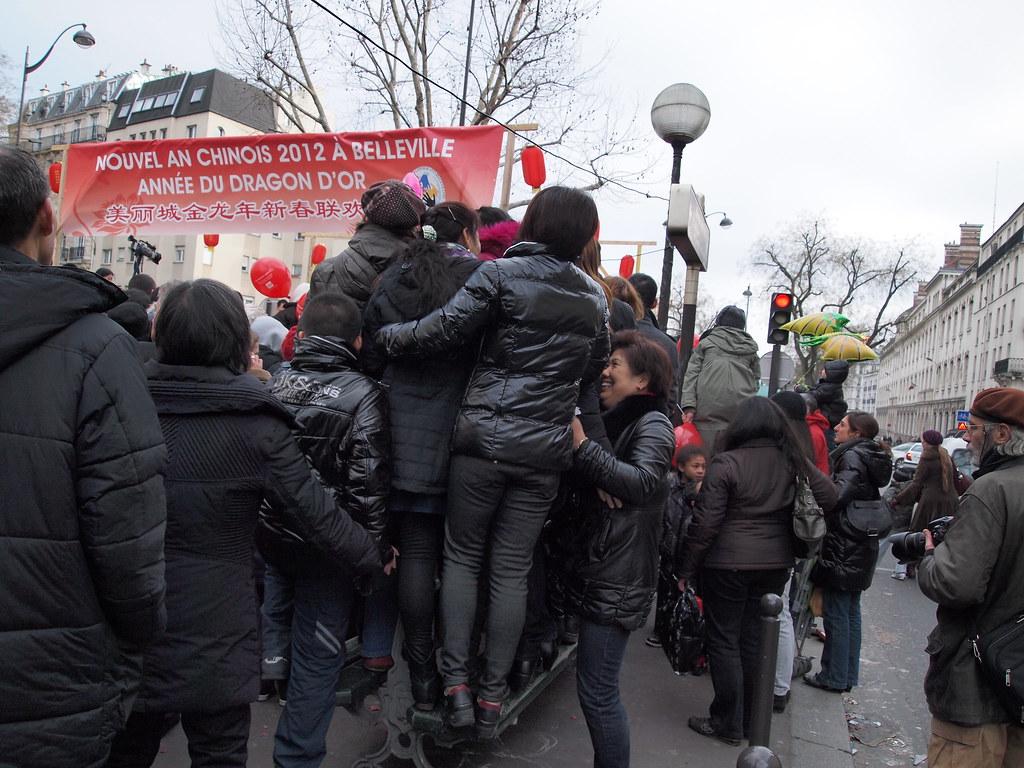
Urban development in Culver City is unfolding with increasing attention to balancing growth and community needs-a challenge mirrored in cities across the world but addressed here with distinct local considerations. While global urban centers face rapid expansion, Culver City approaches neighborhood development with an emphasis on measured integration, reflecting its unique position within the Los Angeles metropolitan area.
Recent international examples, such as the wildfire-impacted towns in Spain’s Almeria province and urban tensions seen in other regions, illustrate the complexity of managing growth amid environmental and social pressures. Although these distant cases differ in scale and context, they underscore a shared imperative: how cities develop neighborhoods today will affect their resilience and livability tomorrow. For Culver City, staying proactive with community involvement and infrastructure adaptability holds particular importance now, as it navigates local population shifts and housing demand.
Local Plans Meet Global Challenges
Within Culver City, strategic neighborhood development involves coordination between city planners, local businesses, and residents. This cooperative framework allows for customization to local realities, such as proximity to key transit corridors and the preservation of character in longstanding neighborhoods. Compared to other global cities experiencing either uncontrolled sprawl or rapid densification, Culver City’s incremental development aims to avoid common pitfalls like transportation gridlock or insufficient public amenities.
Neighborhood growth is framed through available zoning tools and community feedback, with city authorities emphasizing transparency and sustainability. This approach recognizes the risks seen elsewhere, where fast-paced development without adequate planning has led to unrest or infrastructure strain. While exact figures for Culver City’s housing projects or investments are not cited here, the qualitative strategy highlights a commitment to thoughtful expansion rather than unchecked sprawl.
Evidence of Responsible Development Practices
Global parallels provide evidence of what happens in the absence of deliberate planning. For instance, the many challenges faced by cities dealing with burgeoning populations or environmental crises serve as cautionary tales. Culver City’s embrace of a tailored urban development strategy reflects lessons learned internationally: successful neighborhoods often stem from a mix of local engagement, adaptable infrastructure policies, and attention to environmental impact.
Ultimately, Culver City must continue monitoring demographic trends and community needs to align development efforts effectively. Residents can expect ongoing public forums and city council reviews as part of the process-intended to ensure neighborhood growth balances economic opportunity with quality of life. This measured approach positions Culver City to maintain its unique urban character while sensitively responding to growth pressures.
As the city moves forward, community members and developers alike will play vital roles in shaping neighborhoods. Those interested in learning more about specific neighborhood plans or contributing to public input can visit the Culver City Urban Development office or access online resources provided by the city government. The path forward requires cooperation, vigilance, and a continued focus on sustainable growth that other cities globally are striving to achieve under far more turbulent conditions.