lifestyle
West Hollywood's Must-See Neighborhoods: Rainbow District to Sunset Strip
From the Rainbow District to the Sunset Strip, here’s the local intel-grounded in facts-that first-timers and returning visitors need for a smooth, memorable trip.
How we reported this
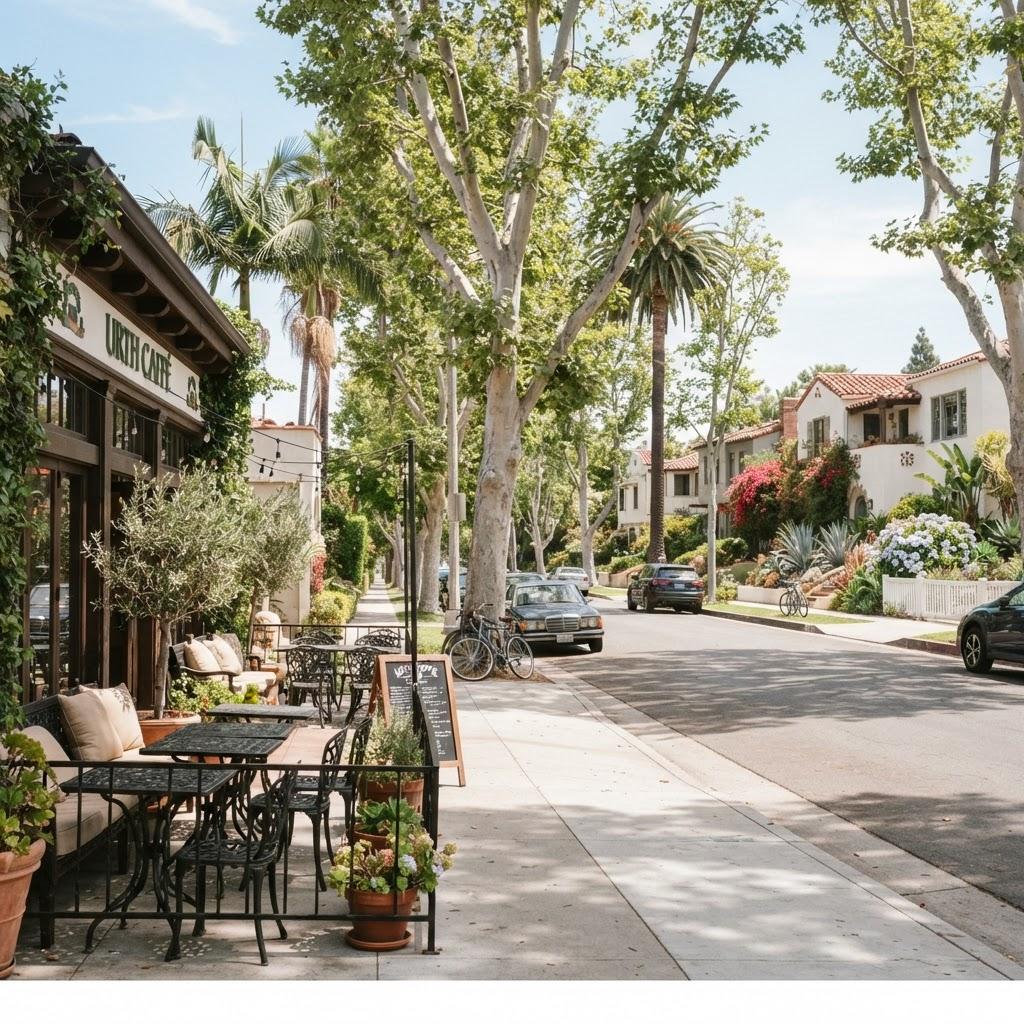
West Hollywood-often called WeHo-packs a lot of character into just 1.9 square miles. With a Walk Score of 91, it’s one of the most walkable cities in Los Angeles County, sitting between Beverly Hills and Hollywood. Whether you’re here for the nightlife, the design scene, or the vibrant LGBTQ+ culture, a few key facts will help you make the most of your visit.
The Rainbow District and LGBTQ+ Heart
WeHo is widely recognised as the epicentre of LGBTQ+ culture in Los Angeles County. Roughly 40% of residents identify as lesbian, gay, bisexual, or transgender-a statistic that shapes the city’s welcoming, open-minded atmosphere. The heart of that community is the Rainbow District, a stretch of Santa Monica Boulevard lined with inclusive bars, cafes, and shops. First-time visitors should plan to walk this strip; it’s where you’ll find the city’s most visible expressions of pride and everyday life. The annual Halloween Carnaval, one of the largest in the country, also takes place here, drawing crowds for a costumed street party that’s become a local institution.
Nightlife Along the Sunset Strip and Beyond
No visit to West Hollywood is complete without experiencing the Sunset Strip. This famous stretch of Sunset Boulevard is home to legendary music venues such as the Roxy Theatre, which has hosted iconic acts for decades. Beyond the Strip, the city’s dense, walkable grid-fueled by that 91 Walk Score-means you can easily bar-hop from a rooftop lounge on Santa Monica Boulevard to a quiet wine bar on Robertson Boulevard without needing a car. For those who prefer daytime exploration, the West Hollywood Design District offers a quieter contrast: a cluster of furniture showrooms, contemporary art galleries, and high-end boutiques concentrated around Melrose Avenue and Robertson Boulevard. It’s a polished, sophisticated side of WeHo that attracts design lovers and art collectors.
Real Estate and Practical Costs
Living in or visiting West Hollywood comes with a premium. Median one-bedroom rents range from roughly $2,600 to $3,000 per month, and home values average over $1 million. For travellers, that translates into hotel and short-term rental prices that mirror the upscale nature of the area. Parking is notoriously tight, so the high Walk Score is a genuine asset: many visitors find they can reach restaurants, bars, and shops on foot, saving both time and parking fees. If you’re staying for an extended visit, expect to pay a premium for any accommodation in the core neighbourhoods near the Sunset Strip or the Design District.
Year-Round Events and Community Vibe
WeHo’s calendar is packed with cultural happenings beyond Halloween. The city hosts regular art installations, community-driven markets, and seasonal events that reinforce its creative, neighbourly feel. Local events often take place in the city’s parks and public plazas, many of which are within walking distance of the Rainbow District. Checking the city’s official events calendar before you arrive is a smart move-especially if you want to catch a pop-up market or an outdoor art show. The overall vibe is that of a dense, walkable city where community identity is front and centre, from the rainbow crosswalks on Santa Monica Boulevard to the packed sidewalk tables on Melrose.
Whether you’re a first-time visitor or a regular returning for the energy, West Hollywood rewards those who walk its streets and dive into its neighbourhoods. Plan for the costs, lean into the walkability, and let the Rainbow District and the Sunset Strip guide your itinerary.