lifestyle
Culver City Gardeners Master Local Climate, Composting, Pest Control
Expert advice on managing the local microclimate, composting, and protecting your yard from common pests.
How we reported this
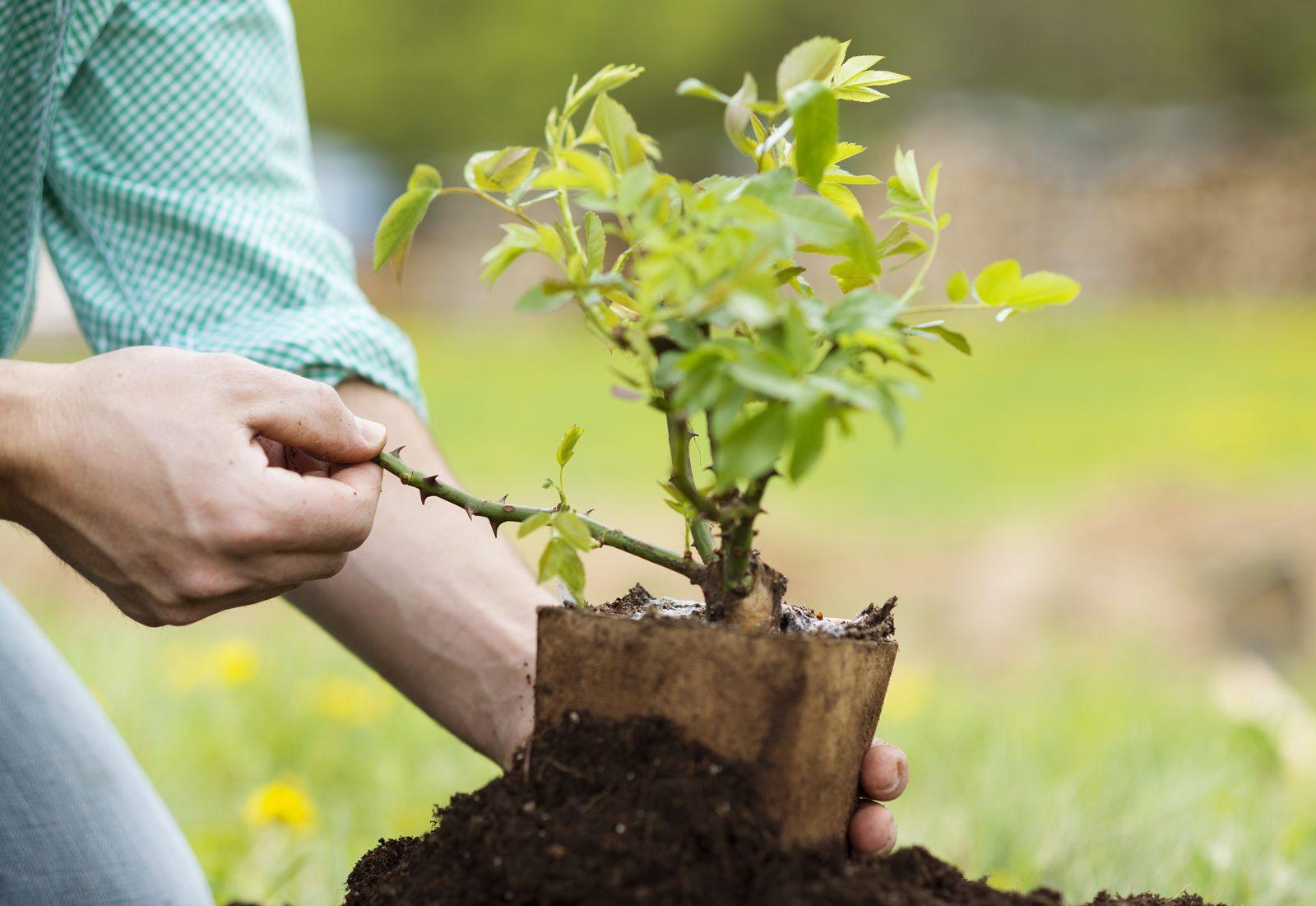
Cultivating a thriving garden in Culver City requires an understanding of the region's distinct environmental conditions. Situated on traditional Tongva and Chumash territory, the area benefits from unique microclimates that influence plant health and development. To successfully maintain a garden throughout the year, residents should note that there are two distinct growing seasons: a hot season spanning from March through October, and a cooler season lasting from October through March.
Community Engagement and Resources
For those looking to exchange knowledge and connect with fellow enthusiasts, the Culver City Garden Group offers a consistent forum. The group holds monthly meetings on the first Tuesday of each month at 7pm, hosted in the Garden Room at Veterans Park. These sessions provide an opportunity for residents to share insights on regional plant care and maintenance strategies tailored to our specific climate.
Waste Management and Soil Health
Culver City supports sustainable gardening through its Organics Composting Program. Residents are encouraged to use the provided green containers for both yard waste and food scraps. The program is designed to accept a wide variety of materials, including meat, dairy, and coffee grounds, which are then processed for industrial composting. Utilizing this service helps manage household waste while contributing to the overall health of the local ecosystem.
Protecting Your Property
Maintaining a garden often involves managing local wildlife and environmental factors. To prevent damage from raccoons, it is recommended to install hardware cloth at least 6 inches beneath the ground surface. Additional defensive measures include trimming tree branches so they remain 10 feet from roofs and installing spike deterrent strips on fences. Beyond pest control, proactive stormwater management is vital. Residents can collect free water for their gardens by installing rain barrels, avoid the overuse of fertilizers to minimize chemical runoff, and wash cars on grass surfaces to ensure pollutants do not enter the city's drainage systems. By following these practical steps, homeowners can protect their garden investments and support the city’s environmental goals.